

How to Reduce Postpartum Belly: Effective Strategies & Solutions
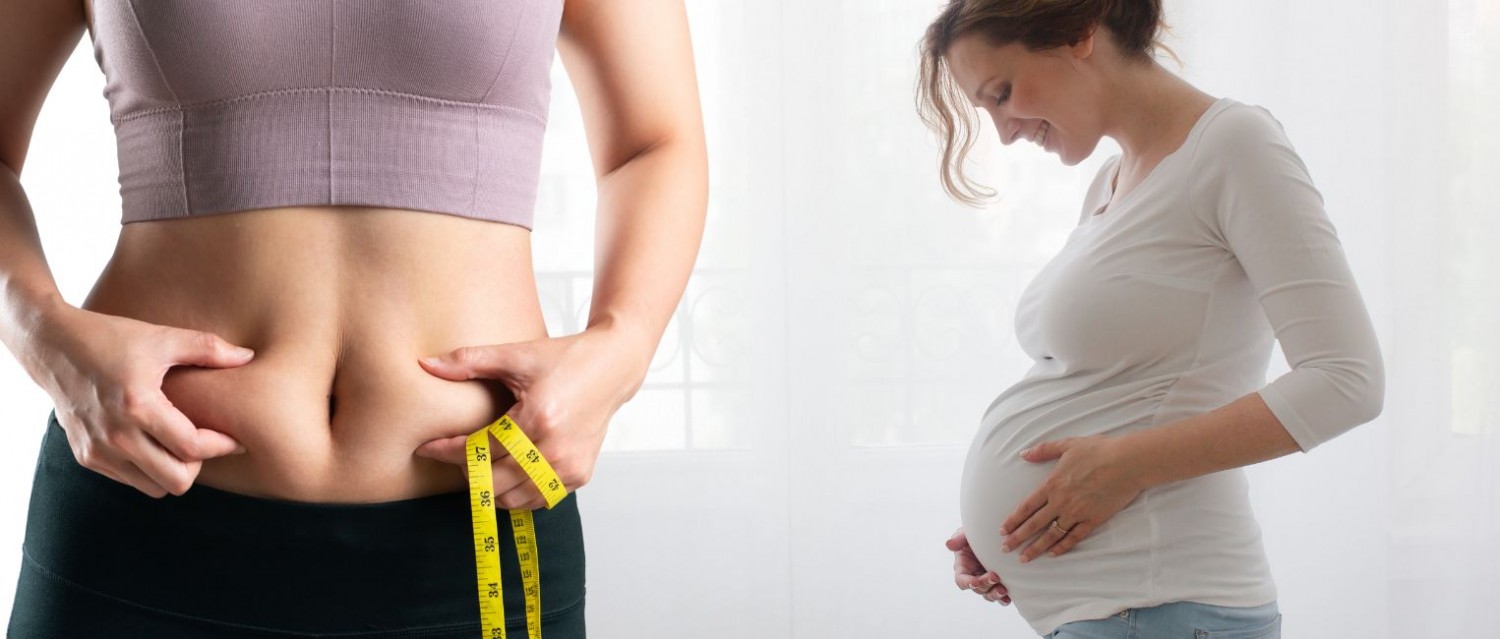
Pregnancy is a beautiful journey, but after childbirth, many women notice changes in their bodies—especially around the abdomen. A postpartum belly is completely normal, and every mother’s recovery journey is different. While some women regain their pre-pregnancy shape quickly, others may need more time, patience, and the right strategies to achieve their goals.
At Acturaa, we understand the physical and emotional challenges new mothers face after delivery. This guide explores effective and safe ways to reduce postpartum belly fat while promoting overall wellness and confidence.
Understanding the Postpartum Belly
After childbirth, the abdominal muscles and skin remain stretched. The uterus also takes several weeks to shrink back to its original size. Hormonal changes, lack of sleep, stress, and reduced physical activity can further contribute to belly fat retention.
In some cases, women may also experience a condition called Diastasis Recti, where the abdominal muscles separate during pregnancy. This condition requires targeted recovery exercises and professional guidance.
The good news is that with the right combination of nutrition, exercise, self-care, and consistency, postpartum belly reduction is achievable.
1. Give Your Body Time to Heal
One of the biggest mistakes new mothers make is rushing weight loss immediately after delivery. Your body has gone through significant changes over nine months and needs adequate recovery time.
Tips for Healthy Recovery:
- Prioritize rest whenever possible.
- Stay hydrated throughout the day.
- Avoid extreme dieting.
- Follow your doctor’s postpartum recovery advice.
- Begin gentle movements before intense workouts.
Remember, gradual and sustainable recovery is healthier than rapid weight loss.
2. Focus on a Balanced Postpartum Diet
Nutrition plays a crucial role in reducing postpartum belly fat. A healthy diet helps repair tissues, supports breastfeeding, boosts energy, and aids metabolism.
Best Foods for Postpartum Recovery
Protein-Rich Foods
Protein helps rebuild muscles and keeps you full longer.
- Eggs
- Lentils
- Chicken
- Fish
- Greek yogurt
- Paneer
Fiber-Rich Foods
Fiber improves digestion and reduces bloating.
- Fruits
- Vegetables
- Oats
- Brown rice
- Whole grains
Healthy Fats
Healthy fats support hormone balance and energy.
- Nuts
- Seeds
- Avocados
- Olive oil
Hydration
Drink plenty of water to improve metabolism and reduce water retention.
Foods to Avoid
- Sugary drinks
- Processed snacks
- Fried foods
- Excessive caffeine
- Refined carbohydrates
A balanced diet supports healthy postpartum weight management without compromising recovery.
3. Start Gentle Postpartum Exercises
Exercise is essential for strengthening abdominal muscles and improving overall fitness. However, postpartum workouts should begin slowly and safely.
Walking
Walking is one of the best low-impact exercises for new mothers. It improves circulation, burns calories, and boosts mood.
Pelvic Floor Exercises
Kegel exercises strengthen pelvic floor muscles weakened during pregnancy and childbirth.
Core Strengthening Workouts
Once approved by your healthcare provider, gentle core exercises can help tighten abdominal muscles.
Examples include:
- Pelvic tilts
- Heel slides
- Modified planks
- Deep breathing exercises
Yoga and Pilates
Postnatal yoga and Pilates improve flexibility, posture, and core stability while reducing stress.
4. Breastfeeding May Support Weight Loss
Breastfeeding burns additional calories and may help some women lose pregnancy weight naturally. It also releases hormones that help the uterus contract.
However, every body responds differently, and breastfeeding alone may not result in immediate weight loss. Maintaining a healthy diet remains important.
5. Improve Sleep and Manage Stress
Lack of sleep and stress can increase cortisol levels, which may contribute to stubborn belly fat.
Ways to Reduce Stress:
- Practice meditation
- Try deep breathing exercises
- Ask for family support
- Take short breaks for self-care
- Spend time outdoors
Even small improvements in sleep and stress management can positively affect postpartum recovery.
6. Wear Supportive Postpartum Garments
Many women use postpartum belly wraps or compression garments to support abdominal muscles after delivery. These garments may improve posture and provide comfort during recovery.
However, they should not replace exercise or healthy habits. Always consult a healthcare professional before prolonged use.
7. Address Diastasis Recti Properly
If you notice a bulge in the middle of your abdomen or experience weakness in your core, you may have Diastasis Recti.
Signs of Diastasis Recti:
- Belly protrusion
- Lower back pain
- Poor posture
- Weak abdominal muscles
Specific physical therapy exercises can help improve muscle separation safely. Avoid crunches or intense ab workouts unless guided by a professional.
8. Abdominal Belt for Recovery
Using a postpartum belly belt can provide immediate support to your abdominal area.
- How a Postpartum Belly Belt Helps: The gentle compression supports weakened muscles and promotes better posture.
- Benefits of Wearing a Tummy Trimmer: Enhances muscle engagement, reduces strain on your lower back, and aids in mobility.
- How to Choose the Right Postpartum Belly Belt: Look for adjustable, breathable materials, and ensure a snug but comfortable fit.
Acturaa Abdominal Belt is the best belt for use after delivery. It compresses the abdominal muscles to improve the muscle tone and reduce abdominal pressure. This product also helps to reduce postoperative abdominal pressure at the sutured area which helps in healing better and faster.
9. Consider Professional Body Contouring Treatments
For some women, diet and exercise alone may not fully address stubborn postpartum belly fat or loose skin. Non-surgical body contouring treatments can offer additional support.
Modern aesthetic treatments may help:
- Reduce localized fat
- Tighten loose skin
- Improve body contours
- Enhance confidence
At Acturaa, advanced wellness and aesthetic solutions are designed to support women in their postpartum transformation journey safely and effectively.
9. Stay Consistent and Patient
Postpartum recovery takes time. Comparing yourself to unrealistic social media standards can negatively affect mental health and self-esteem.
Healthy Mindset Tips:
- Celebrate small progress
- Focus on overall wellness
- Avoid crash diets
- Stay active consistently
- Practice self-compassion
Every woman’s postpartum journey is unique, and sustainable progress matters more than perfection.
Common Myths About Postpartum Belly Reduction
Myth 1: Belly Fat Disappears Immediately After Delivery
Reality: The uterus and abdominal muscles need weeks or months to recover fully.
Myth 2: Crash Diets Help Faster
Reality: Extreme diets can reduce energy, affect milk production, and slow recovery.
Myth 3: Intense Workouts Are Necessary
Reality: Gentle and consistent movement is more effective and safer postpartum.
Myth 4: Belly Wraps Alone Reduce Fat
Reality: Compression garments support recovery but do not burn fat independently.
When to Consult a Professional
You should seek medical or professional guidance if you experience:
- Persistent abdominal pain
- Severe muscle separation
- Sudden swelling
- Difficulty exercising
- Emotional distress related to body image
Professional support can help create a safe and personalized postpartum recovery plan.
Final Thoughts
Reducing postpartum belly fat is a gradual process that requires patience, consistency, and self-care. A combination of balanced nutrition, gentle exercise, stress management, and healthy lifestyle habits can significantly improve postpartum recovery and confidence.
For women seeking additional support, modern wellness and body contouring solutions may offer safe and effective results. At Acturaa, the focus is on helping women feel confident, healthy, and empowered throughout their postpartum wellness journey.
Your body created life—give it the care, kindness, and time it deserves.